Advanced
Get AI tools training as a gift
4.9
DevOps engineer course: all you need for a job in tech

Perfect for career boost
90%
of students had no technical background or IT experience
Course updated for 2026
100%
updated curriculum aligned with employer requirements

6 000+ Mate graduates are already working in IT
rating based on Google reviews
DevOps engineer: Salary
$3,600
+22%YoY salary growth. Source: DOU
Who is DevOps engineer?
When development, deployment, and operations run smoothly — that's the work of a DevOps engineer. These specialists manage cloud services, automate workflows, maintain infrastructure, and ensure continuous integration, system monitoring, and performance. You can learn this in-demand profession from scratch through a course that gives you a clear roadmap, hands-on mentorship, a practice-focused program, and up-to-date tools.

Skills that are in high demand
With 80% of the course focused on hands-on practice, you won't just complete the program — you'll be fully prepared to step into a real DevOps role.
Mentors who are real DevOps engineers
You'll learn from experienced professionals working daily with modern DevOps tools and technologies.
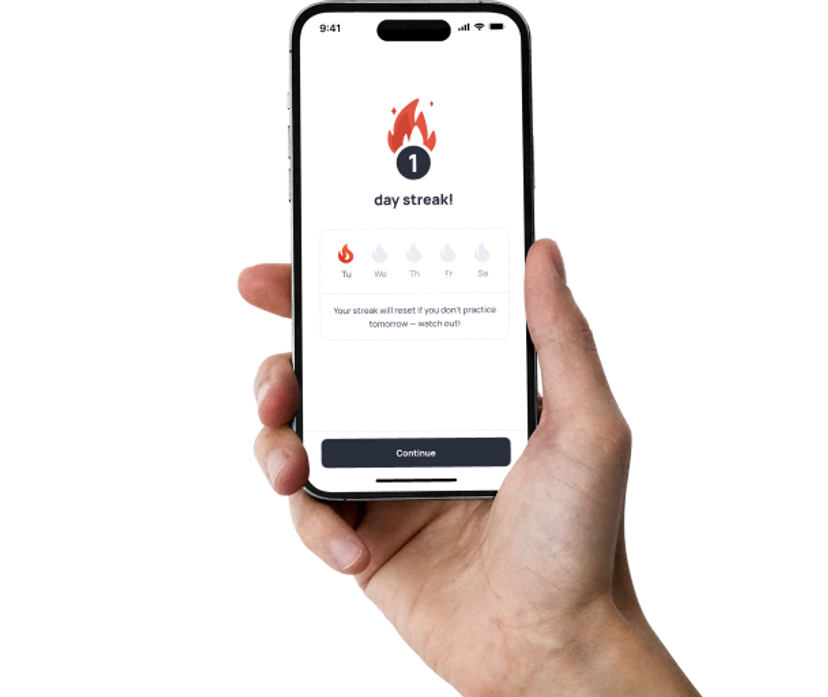
A platform built for your success
Video lessons, mentor support, team projects — all in one place to guide you through your DevOps roadmap from zero.
What you'll get in the DevOps course

Job referrals
Early access to DevOps job openings — even before they hit the market

English lessons
Essential skills to pass interviews and join real teams

Job search tips
Help writing your resume and crafting cover letters for DevOps roles

AI skills module
Training on how to use AI tools in a DevOps workflow

Mock interviews
Practice tech interviews with detailed feedback
*You can buy English lessons separately.
FORMAT COMPARISON
Which studying format suits you?
Weekdays, 9 am - 6 pm
In your free time
This might be your CV

Marta K.
DevOps engineer
Skills
- Automate workflows with CI/CD pipelines using GitHub Actions
- Manage containerized applications with Docker
- Scale applications using Kubernetes
- Implement infrastructure as code with Terraform
- Monitor system performance and reliability
- Administer relational databases, including backups
- Utilize cloud platforms like AWS, Azure, or Google Cloud
- Configure web servers and operating systems with Ubuntu and NGINX
Technologies










90%
of Mate grads entered the tech field for the first time
Build your DevOps portfolio
You'll get hands-on experience setting up CI/CD pipelines, automating deployments, and working with cloud providers — just like a real DevOps engineer.
What's covered
Course roadmap
Get Started
3 topics
Python Basics
10 topics
Contrary to its name, there's nothing to be scared of, so let's approach Python head on. We'll start with strings, booleans, function, conditionals, loops and lists.
Topics
- Introduction
- Main Concepts
- Numbers
- Strings
- Boolean
- Lists
- Conditional Statements
- Loops
- Functions
- Summary
GenAI Essentials
6 topics
Learn how to use GenAI responsibly and effectively.
Topics
- How GenAI Works
- Limitations of GenAI
- Prompting
- Responsible Use
- GenAI for Learning
- How to Keep Up With AI
Python Basics Extended
12 topics
Now that we know how to write code, it's time to order it up and learn debugging. We deepen our knowledge of the basic concepts, too, but we feel like it goes without saying. Does it?
Topics
- Module Overview
- Environment Setup
- Code Style
- Debugging
- Working With Numbers
- Working With Strings
- Lists In Details
- Dict Basics
- Type Conversion
- Loops In Details
- Functions Revisited
- Summary
Git and Terminal
5 topics
Terminal is an important tool for any developer, so it's high time for you to exercise basic commands! You'll start using a Git version control system, too.
Topics
- Environment Setup
- Command Line Basics
- Git Basics
- Working With Branches
- Working With Remote Repo (GitHub)
DevOps Basics
5 topics
Here, we look at how software development is organized and optimized, and consider the role of a DevOps engineer.
Topics
- Introduction
- DevOps Culture and Practices
- DevOps as a Role
- SDLC and Development Methodologies
- Summary
How the Web Works
6 topics
We interact with the Internet day by day, and yet, few know how it all works. If you don't, either — we've got your back. We'll explore the OSI model, HTTP, encryption, APIs and security issues.
Topics
- Introduction to the Web
- OSI Model
- HTTP
- API Interface
- Encryption
- Security in the Web
Operating Systems
10 topics
Laptops, smartphones, clouds — they are all computers running some operating system. So, here we’ll tackle the OS and server basics, using Ubuntu and NGINX as examples.
Topics
- Environment Setup
- What Is Operating System
- Working With Files
- Processes and Services
- Resource Management
- Managing Users
- Installing Software
- Using SSH
- Shell Scripting
- Web Server
SQL Basics
11 topics
Semantically speaking, SQL closely resembles English, so you are in for a swift acquisition. We'll learn to use it with databases, to group, filter, sort and source data at wish.
Topics
- Introduction to SQL
- SELECT Statement
- WHERE Clause
- NULL Value, LIKE, BETWEEN, and IN Operators
- ORDER BY, LIMIT, DISTINCT Clauses
- Aliases
- Aggregate Functions
- GROUP BY Clause
- JOIN Clause
- Functions
- HAVING Clause
Communication and Stress Management
7 topics
This module is designed to enhance your communication skills and overall soft skills. You’ll learn how to communicate effectively, feel confident during job interviews and public speaking, master techniques to manage stress, and much more. The best part? The module includes 28 practical tasks that will significantly boost your skills and help you see noticeable progress.
Topics
- Introduction to Communication & Stress Management
- Confidence Building and Stress Management
- Diction, Filler Words Reduction, and Body Language
- Public Speaking
- Job Interview
- Written Communication
- Social Media Communication Skills Development
Python Core for DevOps
15 topics
Generators, iterators, decorators... you'll learn to handle them with ease. But also: polymorphisms, classes, modules and a variety of other novelties.
Topics
- How to Solve GitHub Tasks
- Mutable Immutable Types
- List and Dict Comprehensions
- Functions in Details
- Decorators
- Classes
- Сlasses in Details
- Iterators and Generators
- Modules and Imports
- Exception Handling
- Exceptions in Details
- File Handling
- Testing
- FastAPI Overview
- FastAPI in Details
Docker Core
9 topics
First, we'll be up against containerization technology, and then — a de facto standard for distributing and running web app applications, Docker. How exciting!
Topics
- Docker Setup
- Docker Introduction
- Docker Internals
- Docker Basics
- Containerizing an App
- Managing Containers
- Docker Volumes
- Docker Compose
- 12-Factor App
Relational Database Administration
9 topics
Even if your database is flawles, you must know how to create its backup. We’ll also take a look at database server management.
Topics
- Database Intro
- Database Design Fundamentals
- Database Design Advanced
- Database Internals
- Configuring the Database
- Running Database Migrations
- Monitoring Database Server
- Backup and Restoration
- Replication
Kubernetes Basics
15 topics
Having mastered running one container, we can only expand into hundreds. It’s possible with the Kubernetes platform, to which we dedicated this entire module.
Topics
- Module Overview
- Kubernetes Introduction
- Kubernetes Architecture
- Lab SetUp
- Working With Pods
- Working With Services
- Controllers and Deployments
- DeamonSets and Jobs
- Configuration Management
- Storage and StatefulSets
- Cluster Networking: Ingress
- Scheduling in Details
- Helm Architecture
- RBAC and Service Accounts
- Helm Practice
Monitoring and Observability
8 topics
Are your web service users satisfied? The only way to answer this question is to have properly configured monitoring, and this module will help you determine how to do it.
Topics
- Module Overview
- Monitoring and Observability
- Monitoring Tools Overview
- Prometheus-Like Monitoring (Instrumenting App)
- Alerting
- Grafana Dashboards
- Monitoring Kubernetes
- Monitoring Techniques
Cloud Computing Basics
10 topics
The cloud allows us to run code virtually anywhere, and grow the infrastructure from one server to hundreds in just a few clicks. It’s high time to give these opportunities some thought.
Topics
- Module Overview
- Environment Setup
- Main Concepts
- Azure Overview
- Azure Virtual Machine Basics
- Azure PowerShell
- Azure Virtual Machine Advanced
- Automating Resource Deployment With Azure Resource Manager (ARM) Templates
- Managing Users and Groups in Microsoft Entra ID
- Managing Access to Azure Resources
DevOps Practices: CI/CD
7 topics
CI/CD resides at the heart of the software development cycle. Let’s learn building this process and automating it with GitHub Actions.
Topics
- Module Overview
- Introduction to CI/CD and GitHub Actions
- GitHub Actions: CI for Python app
- GitHub Actions: CI for Docker
- GitHub Actions: CI for Helm
- GitHub Actions CD: Azure Kubernetes Services
- Polishing Workflow
Infrastructure as a Code With Terraform
9 topics
What does Infrastructure as a Code stand for, and how to build cloud infrastructure with Terraform? Well... we're gona find out!
Topics
- Module Overview
- Introduction to Infrastructure as Code
- Getting Started with Terraform
- Working with Terraform
- Terraform Provisioners
- HCL Language Features
- Terraform State
- Terraform Modules
- Portfolio Project
Team Project
7 topics
In 4 weeks, you will create a product from scratch in teams with colleagues from other areas, following Scrum methodology, and present the results to your mates. In the end, you will have another project to add to your resume and gain invaluable real-world experience.
Topics
- Week 0: Team Project. Intro
- Week 1: Jira Environment
- Week 2: Status Check
- Week 3: Estimates
- Week 4: How to Demo Your Work
- Final Week: Retrospective
- Team Project for Employment
AWS
7 topics
AWS – one of the leading cloud platforms that offers a wide range of services for deploying and managing applications. In this module, we will explore the core AWS services, learn how to configure them, and effectively use them to support automation and continuous integration in DevOps processes.
Topics
- Module Introduction
- Lab Setup
- AWS Overview
- Configuring Network
- Deploying Virtual Machine
- Configuring Access to Resources
- Deploying Storage
Employment
9 topics
Ready to enter the tech market? Well... we'll get you ready — with a great resume, cover letter, a LinkedIn profile and mock interviews. Recruiters are in for a true discovery!
Topics
- Employment Roadmap
- Preparing Your Resume
- Interview Preparation
- Cover Letter Preparation
- LinkedIn, DOU, Djinni
- How to Find and Apply for Vacancies
- Job Search Tips: Talking to Recruiters
- Work details FAQ
- MilTech
Cloud Computing Extended
6 topics
Azure is one of the most popular cloud platforms, so if you want to be a successful DevOps Engineer — you've got to know it.
Topics
- Module Overview
- Azure Virtual Networks Overview
- Configure Secure Access to Virtual Networks
- Configure Name Resolution in Virtual Networks
- Configure Load Balancing
- Web Apps
Other DevOps Practices
8 topics
DevOps practices and approaches can be worth their weight in gold. We'll help you build even better development processes.
Topics
- Module Overview
- DevOps Antipatterns
- Deployment Strategies
- Chaos Engineering
- Cost Management
- SRE Practices
- Alerting and Incident Management (On-Call Management)
- DevSecOps
Claude Code
59 topics
By the end of this course, you'll use Claude Code confidently in your real daily work - setting it up, shaping it to your own projects, connecting it to your tools, and running several agents at once. You'll finish with a complete, shareable setup built on a codebase of your own.
Topics
- Meet Claude Code and get it running
- Your first Claude session
- How Claude actually makes a change
- Permission modes: staying in control
- Headless mode: quick answers without the chat
- Resuming and managing sessions
- Slash commands and checking your context
- Running Claude Code in your editor
- Running long commands in the background
- What CLAUDE.md is and why it loads every session
- Conventions, build commands, architecture
- Writing rules that stick
- Scope: project-level vs. user-level vs. nested files
- When not to use CLAUDE.md
- Project rules & permissions
- Output styles: choosing how Claude responds to you
- Set up Claude on a real project
- The plan-then-execute mindset
- Entering and reading a plan in plan mode
- Approving, editing, and looping on a plan
- Model tradeoffs: Opus vs. Sonnet vs. Haiku
- Switching models mid-session
- The opusplan hybrid
- Managing context and cost across the loop
- How Claude works with your repo: status, diffs, history
- Committing well: staging and writing good commit messages
- Branches and pull requests
- Reviewing code and PRs with Claude
- Resolving merge conflicts
- Ship a change end to end
- What MCP is: Claude Code as a client to external tools
- Adding an MCP server
- Using MCP tools inside a session
- Scoping and managing servers: project vs. user
- MCP safely: permissions, secrets, and trust
- Letting Claude use CLI tools
- CLI tools vs. MCP servers: when to use which
- Claude skills
- CLAUDE.md vs. skills
- Creating a skill
- Organizing & reusing skills
- Custom slash commands: turning a repeated prompt into a one-word shortcut
- Passing arguments to a command
- What hooks are: actions that run on their own at key moments
- Common hooks: auto-format after an edit, block a risky command, run a check
- Writing and scoping your own hook
- Running Claude without you: CI, scheduled jobs, and pre-commit
- Wire Claude into your stack
- What a subagent is: isolated context, returns only results
- Built-in subagents: Explore, Plan, general-purpose
- Why parallel subagents help: context hygiene and speed
- Creating a custom subagent
- Tool and MCP permissions for subagents
- Orchestrating multiple subagents in parallel
- What a plugin is: one bundle of commands, skills, subagents, hooks, and MCP
- Installing and toggling plugins with /plugin, and the marketplace
- Building your own plugin from the pieces you've already made
- Sharing a plugin with your team
- Build a multi-agent workflow
253
Topics
3
Projects
From zero to hired
What’s your path to becoming a DevOps engineer?
Land your job in tech
Start your new job as a DevOps engineer.

Get in touch
Do I need a technical background? When can I start?
- We'll answer all your questions
- Help you choose the right course
- Get you in on our best deals
Skill level after the course
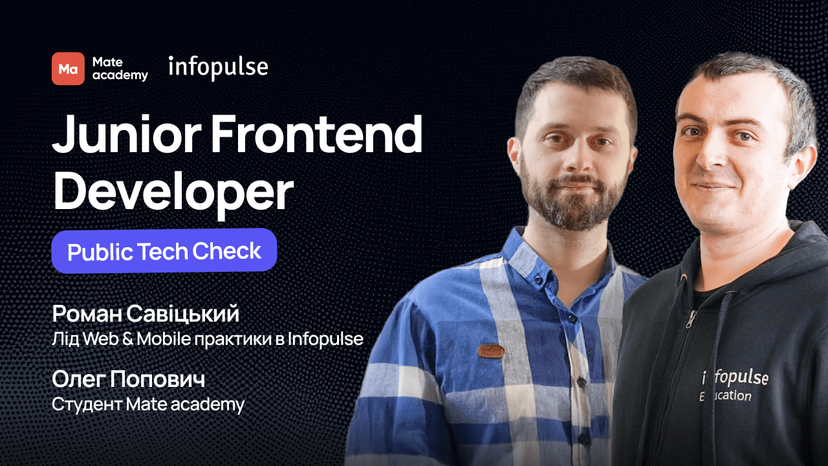
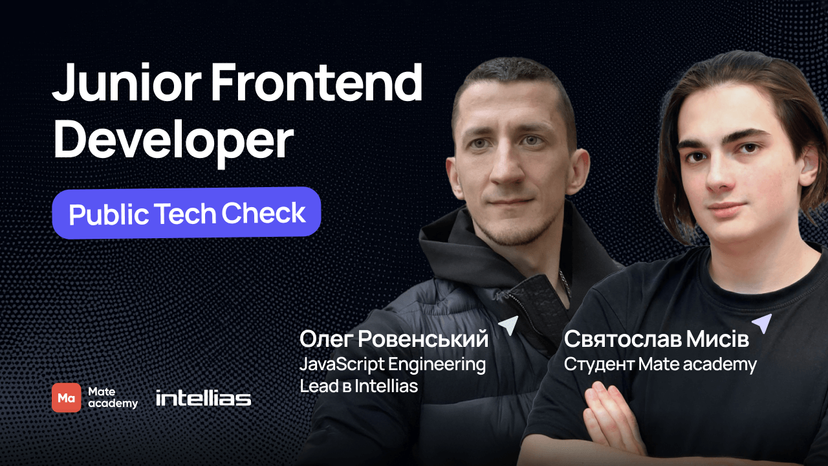
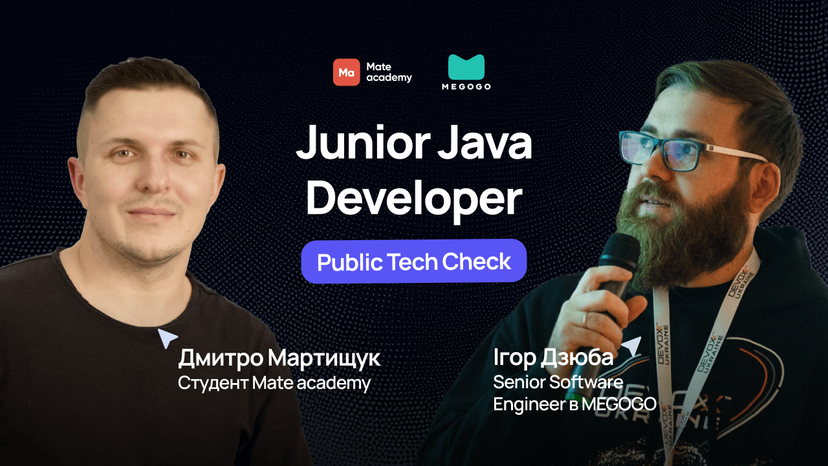
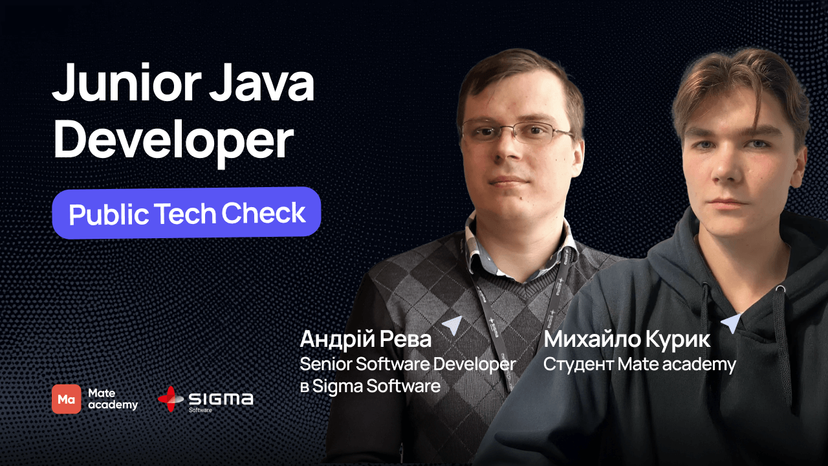
Mate graduates ace technical interviews




























Who will guide you?

Coaches

Mentors

English Teachers

Education coordinators

Employment coordinators

Get in touch
Let's get in touch
- We'll answer all your questions
- Help you choose the right course
- Get you in on our best deals
Faq
Got questions? We’ve got answers
What's the difference between the full-time and flexible formats for the DevOps course?
Full-time format — ideal for those who want to launch a DevOps career fast:
Learn online from 9:00 AM to 6:00 PM, Monday to Friday
Regular webinars, live Q&A sessions, and practical assignments
Constant mentor support and active group interaction
Not suitable if you're also working or studying
Flexible format — great if you want to learn DevOps at your own pace:
Study when it works for you — mornings, evenings, weekends
Full access to mentors, group chat, and Q&A sessions
Lifetime access to the learning platform and all materials
Easy to combine with a job, freelancing, or university
In both formats, you get:
Real practice: hands-on tasks and projects for your portfolio
A certificate you can use on LinkedIn or during job searches
Help finding a DevOps job
A chance to work in cities like Kyiv or Lviv, or fully remote across Ukraine
Will I get a certificate after the DevOps course?
Yes! After completing the course, you'll receive a DevOps Engineer certificate that confirms your skills in system administration, automation, CI/CD, cloud infrastructure, Docker, and other essential technologies. It's a strong asset for interviews and your resume.
What if I'm not sure DevOps is right for me?
Do I need math or a technical degree to become a DevOps engineer?
Not necessarily. While this is considered an advanced course, and some IT basics (like Linux, terminal use, or understanding how the internet works) will help — you can start as a beginner, as long as you're ready for a more intense and challenging learning path.
We teach everything step by step:
Infrastructure, servers, and cloud services
Linux, Git, CI/CD, Docker, Kubernetes
Automation and monitoring
Real tools used in DevOps job listings
Most importantly, the course is hands-on, mentor-led, and includes career support — so you're not just learning, you're preparing for a real job in tech.
How do I join the DevOps course? Are there age limits?
It's easy to join — just apply, and the next steps depend on your preferred format:
Full-time format
Take a logic test
Short intro interview with the team
Start learning online in just a few days
Minimum age: 16 (with parental consent)
Flexible format
After applying, a manager will contact you
You'll get all the course and pricing info
Start learning right after payment, at your own pace
Minimum age: 15 (Job guarantee applies if you can legally work by the end of the course in your country)
Why are you confident I can get a DevOps job after this course?
We've helped people with no tech background build IT careers for over 10 years — and this course is built for that purpose.
Here's what makes it effective:
80% hands-on: real-world tasks, tools, and DevOps scenarios
Continuously updated to reflect current market demands
Mentors review your work and provide direct feedback
Career support helps you build your resume, polish your LinkedIn, and prep for interviews
Most graduates land a DevOps job within a few months of completing the course.
How does the money-back guarantee work for the DevOps course?
We stand by the quality of our training — so if it doesn't lead to results, you don't pay.
Full-time format
You study for free — no upfront payment
Start paying only 12% of your salary once you get hired as a DevOps engineer
Don't get a job? Pay nothing
Flexible format
After finishing the course, you get 24 weeks of job search support
Don't receive any job offer? We'll refund the full course fee
This is your financial safety net: you either land a job or the course costs you nothing.
What's the daily schedule like in the full-time DevOps course?
This format is perfect for those who want fast, full-time immersion with real results. You'll study online Monday to Friday, 9:00 AM to 6:00 PM, building your career day by day.
A typical day looks like:
09:00–10:00 — practical tasks
10:00–11:30 — mentor-led session
11:30–12:30 — lunch break
12:30–14:00 — case-based exercises
14:00–14:30 — live Q&A and feedback
14:30–17:00 — project or solo assignments
17:00–18:00 — wrap-up and additional learning tips
This pace is ideal if you're serious about becoming a DevOps engineer and want to start working in just a few months.
Will I only be qualified for DevOps roles after the course?
Our graduates usually become Junior DevOps Engineers, DevOps Assistants, and DevOps Coordinators.
What will I be able to do after completing DevOps courses?
After completing the training, you will be able to configure servers and cloud infrastructure, automate application deployment using CI/CD, work with Docker and Kubernetes, monitor system stability, ensure continuous integration and delivery, and optimize processes between development and production.
Why is it better to learn DevOps with mentors rather than on your own?
The answer is simple: it is much more efficient. You will immediately receive a structured training program, experienced specialists will support you at every step and provide feedback on practical tasks. This will help you quickly understand complex tools and master the skills you need for work.
How to master the profession of DevOps engineer from scratch?
Online DevOps courses will help you master a completely new direction of work. You will learn the basics of networks, you will be able to understand version control systems and the basic principles of this industry. Our DevOps course consists of modules that gradually immerse you in a new topic. After each theoretical block, you immediately go into practice: create your own projects and automate deployment. In addition, we support you on the way to employment - we will help you draw up a resume, create a portfolio and prepare you for an interview.
What kind of computer should be for training on online DevOps courses?
To successfully complete the DevOps online course, you will need a computer with at least an Intel i5 processor and 8GB of RAM. A stable Internet connection is also required to work with virtual machines, Docker and cloud services. Check if the environment is running through virtualization.

Advantages of the DevOps engineer profession
DevOps courses are an opportunity to master one of the most dynamic and promising roles in IT. First, it is an opportunity to work remotely. Specialists who have completed the DevOps course are in demand all over the world. Secondly, you will play a key role in the team - you will be responsible for stability, automation and speed of releases. Third, salaries start at $1,000–1,500, and experienced professionals earn $3,000+ per month. In addition, the profession offers many options for development: over time, you can go into cloud technologies, move into the direction of SRE or develop into technical management.
Career prospects after the DevOps course
After completing the DevOps course, you will start as a Junior DevOps: you will participate in configuring infrastructure, automating processes, deploying applications, and monitoring systems. In just 1-2 years, you will grow to Middle or Senior and be able to work with cloud platforms (AWS, Azure, GCP), CI/CD pipelines, security and system scaling. Later, you can choose the direction of development: become a Cloud Engineer, Site Reliability Engineer or lead a team as a DevOps Team Lead - depending on your interests.
Who is DevOps engineer online courses suitable for?
The DevOps engineer course is an ideal solution if you already have a basic understanding of the IT field and want to move to a more technical and perspective role. If you have worked in support, testing, administration, or are a little familiar with programming, this specialty allows you to quickly rise to a new level. If you like order, logic and setting up systems, DevOps is definitely your story. And it's also a great option for those who want to master modern tools like Docker, Kubernetes, CI/CD, cloud services and other technologies used by top companies.
How does the DevOps course work?
DevOps courses will teach you how to build a reliable infrastructure and automate deployment processes. We have created a special program in which you will devote 80% of your time to practice: you will work with different languages, services (Ubuntu and NGINX), containerization, etc. The rest of the time is structured theory about networks, security and soft skills. You choose the format in which to take DevOps courses: full-time with payment after employment or in a flexible mode with prepayment. The DevOps course from Mate academy provides professional feedback from mentors, community support, training and help with employment.