Get AI tools training as a gift
4.9
Python developer + AI course: from zero to a job in IT

Learn online from scratch
90%
of students had no technical background or IT experience
Course updated for 2026
100%
updated curriculum aligned with employer requirements

6 500+ Mate graduates are already working in IT
rating based on Google reviews
Python developer: Salary
$2,600
+22%YoY salary growth. Source: DOU
Who is Python developer?
Python is one of the most popular programming languages in the world. A Python developer is a programmer who writes the server side of websites and apps, builds APIs, automates processes and works with data. Thanks to its simple syntax, Python is one of the best languages to start programming from scratch, and it is used to build web service back ends, data analysis tools, machine learning and AI.

80%+ of the course is hands-on practice
This isn't just theory — you'll actively build your skills through coding tasks, projects, and real-world scenarios. You'll finish the course job-ready.
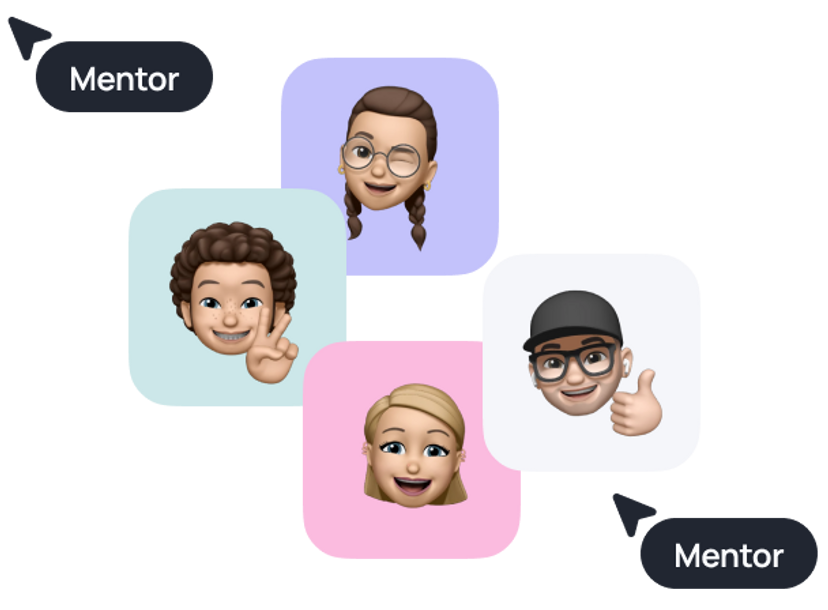
Mentors who actually work in Python
Experienced Python developers will review your work, give personalized feedback, and help you understand even the trickiest topics.
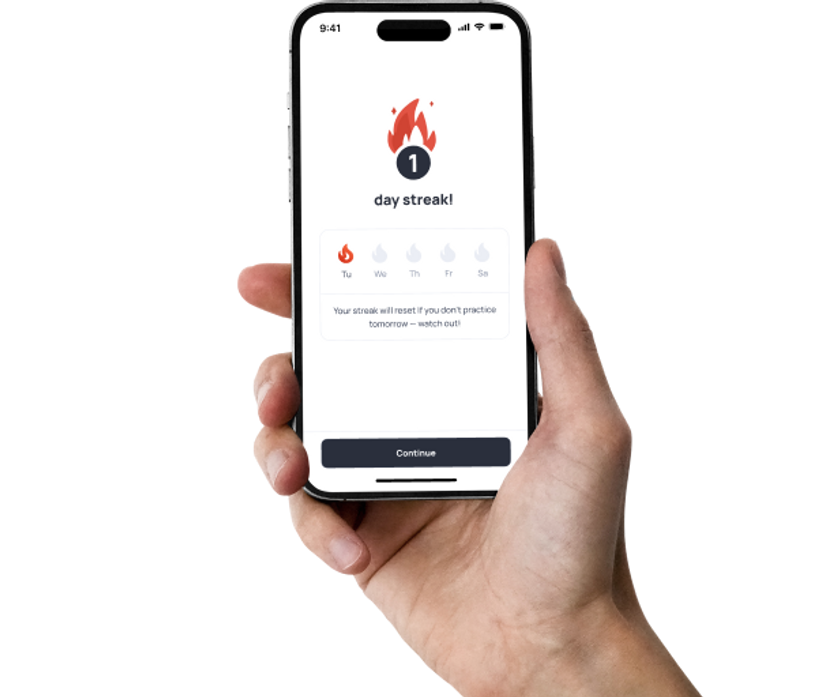
Interactive learning platform
Everything's in one place: video lessons, practical exercises, Q&A support — all designed to help you stay on track and keep learning.
What you'll get in the Python course

Job referrals
Early access to Python developer job openings

English lessons
Practical skills for Junior developer interviews

Job search tips
Help with writing your resume and cover letters

AI skills module
AI tools for web development and working with data

Mock interviews
Mock interviews and interview prep with mentors
*You can buy English lessons separately.
FORMAT COMPARISON
Which studying format suits you?
Weekdays, 9 am - 6 pm
In your free time

This might be your CV

Marta K.
Python developer
Skills
- Work with basic algorithms and data types in Python
- Use task queue systems and message brokers like RabbitMQ
- Automate application deployment with Docker
- Know SQL, work with databases and third-party service APIs
- Understand fundamental principles of Object-Oriented Programming (OOP)
- Work with frameworks like Django, Flask, and FastAPI
- Understand how HTTP, HTTPS, and WebSocket protocols work
- Use Git for version control and CI/CD setup
Technologies
90%
of Mate grads entered the tech field for the first time
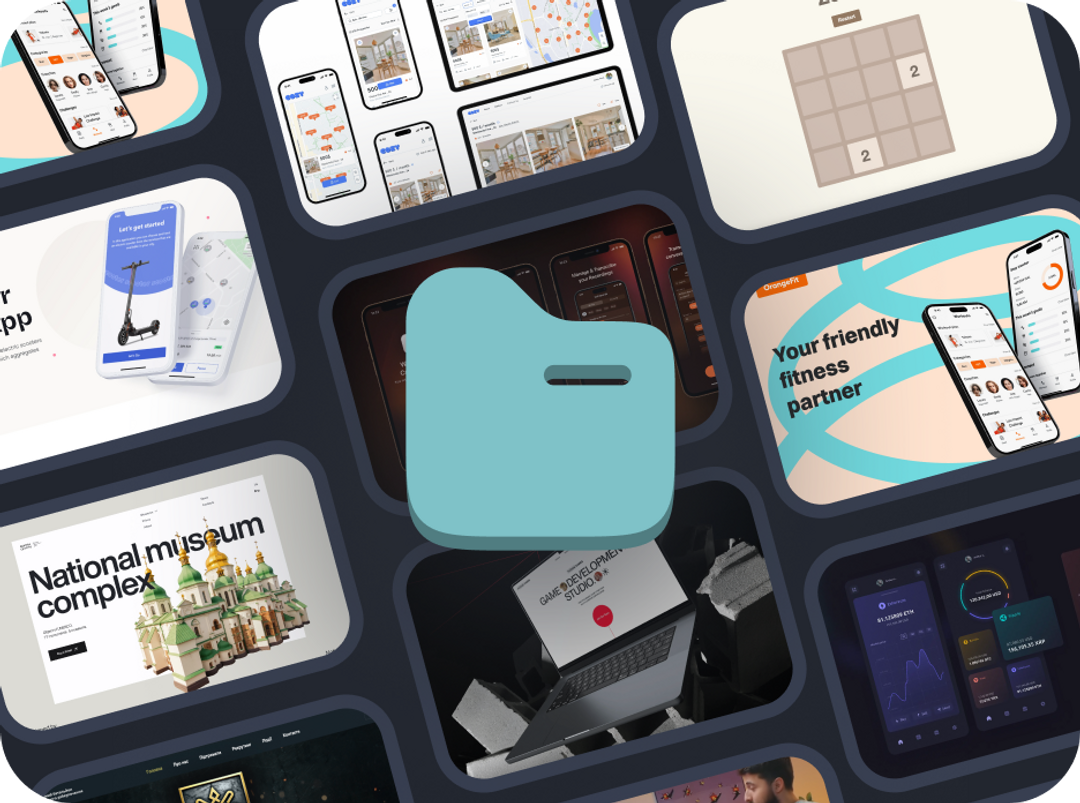
A portfolio that shows what you can do
You'll build a portfolio of Python projects during the course — ready to showcase your skills in your resume or at job interviews.
What's covered
Course roadmap
The Python programming course is built so that after online training you are ready to work as a Junior Python developer. We updated it in 2026 to match employer requirements: 268 topics, 906 practical tasks and 9 portfolio projects, and you spend 80% of your time writing code, not only on theory.
Get Started
3 topics
Python Basics
10 topics
Contrary to its name, there's nothing to be scared of, so let's approach Python head on. We'll start with strings, booleans, function, conditionals, loops and lists.
Topics
- Introduction
- Main Concepts
- Numbers
- Strings
- Boolean
- Lists
- Conditional Statements
- Loops
- Functions
- Summary
GenAI Essentials
6 topics
Learn how to use GenAI responsibly and effectively.
Topics
- How GenAI Works
- Limitations of GenAI
- Prompting
- Responsible Use
- GenAI for Learning
- How to Keep Up With AI
Course Fundamentals
1 topic
This module prepares you for the next, more complex modules of the course. Its theory and tasks will help you study more productively and, in the long run, get a job at a better company with a higher salary.
Topics
- How to learn effectively
Python Basics Extended
12 topics
Now that we know how to write code, it's time to order it up and learn debugging. We deepen our knowledge of the basic concepts, too, but we feel like it goes without saying. Does it?
Topics
- Module Overview
- Environment Setup
- Code Style
- Debugging
- Working With Numbers
- Working With Strings
- Lists In Details
- Dict Basics
- Type Conversion
- Loops In Details
- Functions Revisited
- Summary
Git and Terminal
5 topics
Terminal is an important tool for any developer, so it's high time for you to exercise basic commands! You'll start using a Git version control system, too.
Topics
- Environment Setup
- Command Line Basics
- Git Basics
- Working With Branches
- Working With Remote Repo (GitHub)
Communication and Stress Management
7 topics
This module is designed to enhance your communication skills and overall soft skills. You’ll learn how to communicate effectively, feel confident during job interviews and public speaking, master techniques to manage stress, and much more. The best part? The module includes 28 practical tasks that will significantly boost your skills and help you see noticeable progress.
Topics
- Introduction to Communication & Stress Management
- Confidence Building and Stress Management
- Diction, Filler Words Reduction, and Body Language
- Public Speaking
- Job Interview
- Written Communication
- Social Media Communication Skills Development
Python Core
23 topics
Generators, iterators, decorators... you'll learn to handle them with ease. But also: polymorphisms, classes, modules and a variety of other novelties.
Topics
- How to Solve GitHub Tasks
- Mutable Immutable Types
- List and Dict Comprehensions
- Functions in Detail
- Decorators
- Classes
- Classes in Detail
- Iterators and Generators
- Modules and Imports
- OOP: Single Inheritance
- OOP: Multiple Inheritance
- OOP: Encapsulation, Polymorphism, Abstraction
- Properties and Descriptors
- Exception Handling
- Exceptions in Detail
- File Handling
- Memory Management
- Testing
- Testing in Detail
- Basic Modules Overview
- Dict Advanced
- Extra
- Python Practice
SQL Basics
11 topics
Semantically speaking, SQL closely resembles English, so you are in for a swift acquisition. We'll learn to use it with databases, to group, filter, sort and source data at wish.
Topics
- Introduction to SQL
- SELECT Statement
- WHERE Clause
- NULL Value, LIKE, BETWEEN, and IN Operators
- ORDER BY, LIMIT, DISTINCT Clauses
- Aliases
- Aggregate Functions
- GROUP BY Clause
- JOIN Clause
- Functions
- HAVING Clause
Django ORM
8 topics
Django endures in the popularity contest for *the* ORM intermediating between Python developers and databases. Here, specifically, you'll create your first tables and SQL queries.
Topics
- Database Intro
- ORM Intro
- Fields and Relations
- Many-to-Many Relationship
- Queries
- Queries in Detail
- ORM Advanced
- Optional: Performance Improvement & Isolation Levels
HTML + CSS Basics
16 topics
Next up: introduction to HTML and CSS. Find your way around fonts, semantics, responsiveness, selectors and specificity, media queries, links, and forms.
Topics
- Environment Setup
- HTML Basics
- CSS Basics
- Colors and Fonts
- Box Model Basics
- Semantic Basics
- Responsiveness Basics
- CSS Selectors
- Pseudo-Elements and Pseudo-Classes
- Specificity
- Links and URLs
- Images
- Media Queries
- Forms
- Position
- Extra Topics
How the Web Works
6 topics
We interact with the Internet day by day, and yet, few know how it all works. If you don't, either — we've got your back. We'll explore the OSI model, HTTP, encryption, APIs and security issues.
Topics
- Introduction to the Web
- OSI Model
- HTTP
- API Interface
- Encryption
- Security in the Web
Django
10 topics
Django ORM was ought to prime you for Django itself — the most popular Python web framework out there. MVT, dependency injections, and web will now be at your disposal.
Topics
- Django Intro
- MVT
- Class-Based Generic Views
- Sessions and Authentication
- Forms
- Forms in Details
- Django Advanced
- Website [Portfolio Project]
- Deploying Django
- Django Practice
Django REST Framework
13 topics
Designing and developing powerful APIs sounds like your jam? Well, you'll need to get real familiar with the Django REST Framework. You are in for some user authentication and code testing, too.
Topics
- Django REST Framework Intro
- Class-Based Views
- Serializers
- Serializers in Details
- Authentication and Permissions
- Django REST Framework Advanced
- DRF JWT and Tests
- Docker
- Docker in DRF
- API [Portfolio Project]
- Test Task Solving
- Connect Backend to Frontend
- DRF Practice
Asynchronous Python
3 topics
Executing code step by step, line by line... ugh, rules — right? Let's break them! Here, we'll learn how to enhance the program's performance with asynchronism, concurrency and parallelism.
Topics
- Introduction and Theoretical Foundation
- Concurrency & Parallelism
- Asyncio
FastAPI and SQLAlchemy
10 topics
In this module, you'll learn how to use FastAPI and work with databases using SQLAlchemy. We'll go from a basic project to developing a functional online cinema, testing and deploying it on AWS.
Topics
- FastAPI Overview
- FastAPI in Details
- Introduction to Online Cinema Project
- Implement CRUD
- Authentication and Security
- Core Functions
- MongoDB + FastAPI
- WebSockets
- Tests and Deployment
- Online Cinema [Portfolio Project]
Team Project
7 topics
In 4 weeks, you will create a product from scratch in teams with colleagues from other areas, following Scrum methodology, and present the results to your mates. In the end, you will have another project to add to your resume and gain invaluable real-world experience.
Topics
- Week 0: Team Project. Intro
- Week 1: Jira Environment
- Week 2: Status Check
- Week 3: Estimates
- Week 4: How to Demo Your Work
- Final Week: Retrospective
- Team Project for Employment
Employment
9 topics
Ready to enter the tech market? Well... we'll get you ready — with a great resume, cover letter, a LinkedIn profile and mock interviews. Recruiters are in for a true discovery!
Topics
- Employment Roadmap
- Preparing Your Resume
- Interview Preparation
- Cover Letter Preparation
- LinkedIn, DOU, Djinni
- How to Find and Apply for Vacancies
- Job Search Tips: Talking to Recruiters
- Work details FAQ
- MilTech
Object Oriented Programming
2 topics
Object-oriented programming is a concept fundamental to many programming languages, most notably: Java, Python, JavaScript and C++. So — let's acquire a good understanding thereof.
Topics
- Basic Principles
- SOLID Principles
Python Advanced
13 topics
More advanced by all means. We dive into page parsing, carry out data analysis with charts, and even create our own machine learning model!
Topics
- SOLID Practice
- Web Scraping
- Selenium
- Scrapy
- Data Analysis
- Pandas & Matplotlib
- ETL & Visualising Practice
- [Portfolio Project]: Web Scraping & Data Analysis Practice
- Tableau
- Machine Learning
- Neural Networks & Classification
- Machine Learning Practice
- DevOps Basics for Python Developers
JavaScript Basics
14 topics
Discover the programming language best suited for beginners. We'll kick off with strings, functions, conditionals, loops, arrays and a few more!
Topics
- Introduction
- Your First JavaScript Program
- Main Concepts
- Numbers
- Strings
- Boolean
- Functions
- Conditional Statements
- Arrays
- Loops
- String Iteration
- Strings Methods
- Working With Arrays
- Practice
Algorithms and Data Structure
11 topics
Don't go running just yet, algorithms simply need some taming. Data structures, too: we'll take on arrays, linked lists, stacks, queues, hash maps and sets... among other things.
Topics
- Module Overview
- Algorithms complexity
- Arrays
- Binary search
- Two pointers
- Linked lists
- Stack
- Queue
- Trees
- Binary search tree
- Priority queue
Claude Code
59 topics
By the end of this course, you'll use Claude Code confidently in your real daily work - setting it up, shaping it to your own projects, connecting it to your tools, and running several agents at once. You'll finish with a complete, shareable setup built on a codebase of your own.
Topics
- Meet Claude Code and get it running
- Your first Claude session
- How Claude actually makes a change
- Permission modes: staying in control
- Headless mode: quick answers without the chat
- Resuming and managing sessions
- Slash commands and checking your context
- Running Claude Code in your editor
- Running long commands in the background
- What CLAUDE.md is and why it loads every session
- Conventions, build commands, architecture
- Writing rules that stick
- Scope: project-level vs. user-level vs. nested files
- When not to use CLAUDE.md
- Project rules & permissions
- Output styles: choosing how Claude responds to you
- Set up Claude on a real project
- The plan-then-execute mindset
- Entering and reading a plan in plan mode
- Approving, editing, and looping on a plan
- Model tradeoffs: Opus vs. Sonnet vs. Haiku
- Switching models mid-session
- The opusplan hybrid
- Managing context and cost across the loop
- How Claude works with your repo: status, diffs, history
- Committing well: staging and writing good commit messages
- Branches and pull requests
- Reviewing code and PRs with Claude
- Resolving merge conflicts
- Ship a change end to end
- What MCP is: Claude Code as a client to external tools
- Adding an MCP server
- Using MCP tools inside a session
- Scoping and managing servers: project vs. user
- MCP safely: permissions, secrets, and trust
- Letting Claude use CLI tools
- CLI tools vs. MCP servers: when to use which
- Claude skills
- CLAUDE.md vs. skills
- Creating a skill
- Organizing & reusing skills
- Custom slash commands: turning a repeated prompt into a one-word shortcut
- Passing arguments to a command
- What hooks are: actions that run on their own at key moments
- Common hooks: auto-format after an edit, block a risky command, run a check
- Writing and scoping your own hook
- Running Claude without you: CI, scheduled jobs, and pre-commit
- Wire Claude into your stack
- What a subagent is: isolated context, returns only results
- Built-in subagents: Explore, Plan, general-purpose
- Why parallel subagents help: context hygiene and speed
- Creating a custom subagent
- Tool and MCP permissions for subagents
- Orchestrating multiple subagents in parallel
- What a plugin is: one bundle of commands, skills, subagents, hooks, and MCP
- Installing and toggling plugins with /plugin, and the marketplace
- Building your own plugin from the pieces you've already made
- Sharing a plugin with your team
- Build a multi-agent workflow
Career Development
For full-time students9 topics
Module that will help you confidently pass your probation period, develop a professional development plan, prepare for performance reviews, and learn how to record your achievements. It provides practical tools for conscious career growth and preparation for new opportunities.
Topics
- Succeeding in Your Trial Period
- Personal Development Plan (PDP)
- Performance and Salary Reviews
- CV and LinkedIn Profile
- Cover Letter Preparation
- Interview Preparation
- DOU, Djinni
- How to Find and Apply for Vacancies
- Job Search Tips: Talking to Recruiters
268
Topics
6
Projects
From zero to hired
What’s your path to becoming a Python developer?
Land your job in tech
Start your new job as a Python developer.

Get in touch
Do I need a technical background? When can I start?
- We'll answer all your questions
- Help you choose the right course
- Get you in on our best deals
Skill level after the course
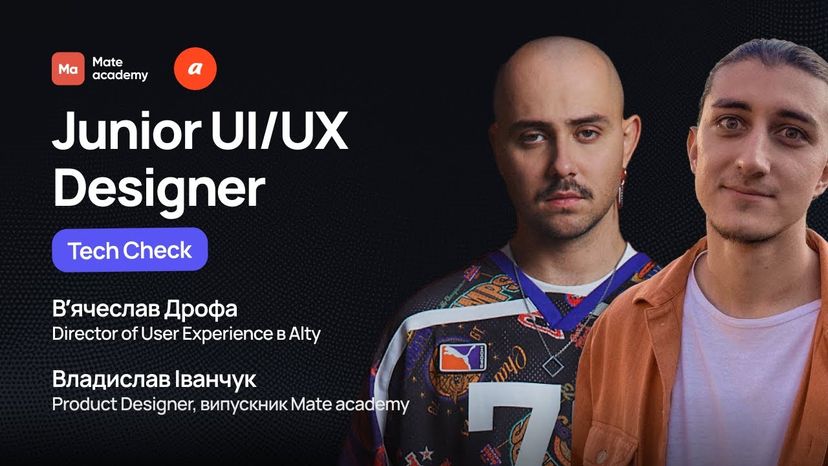
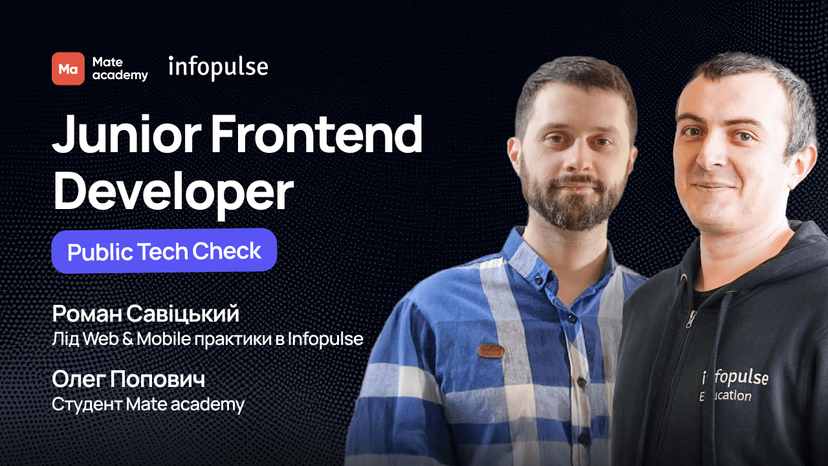
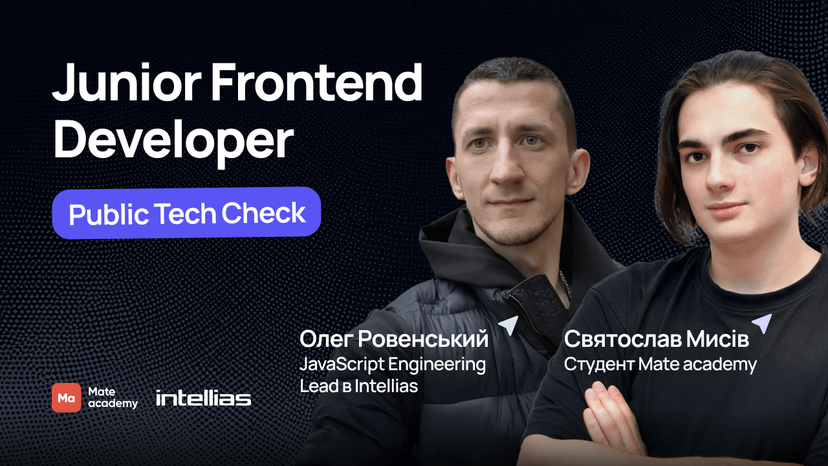
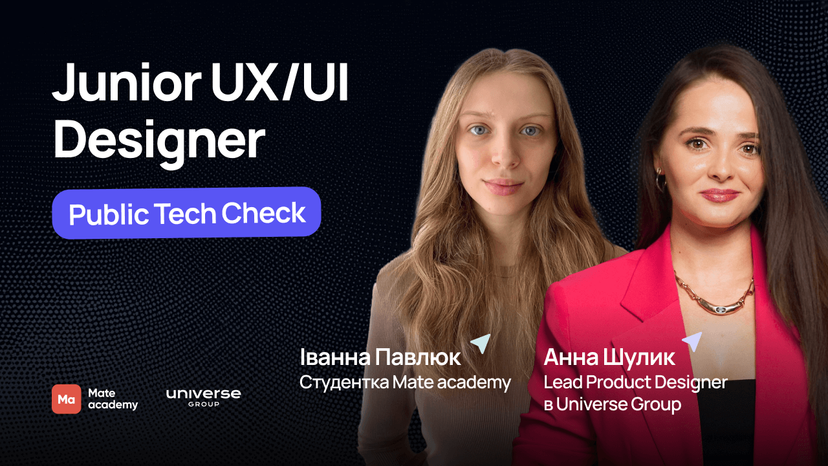
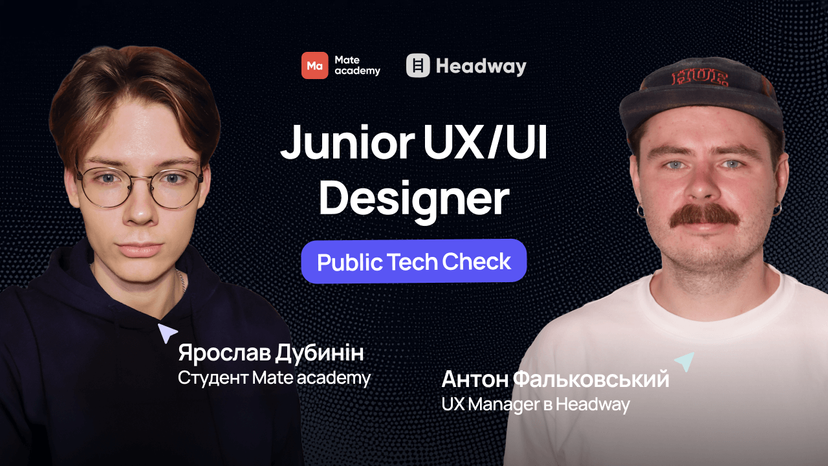
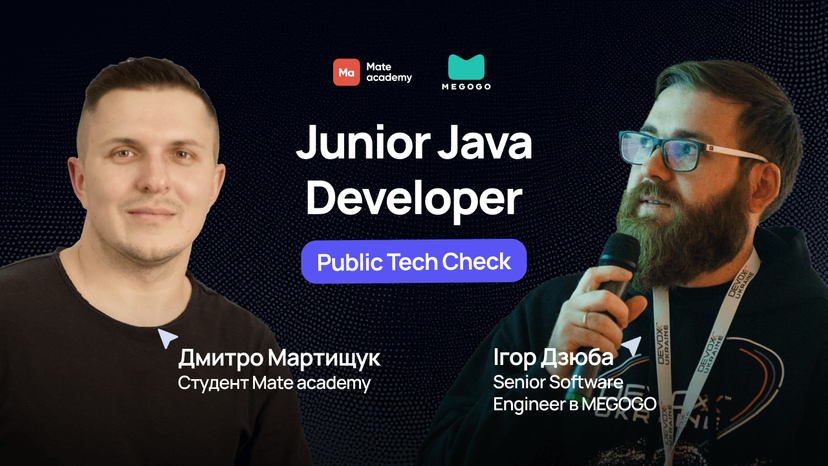
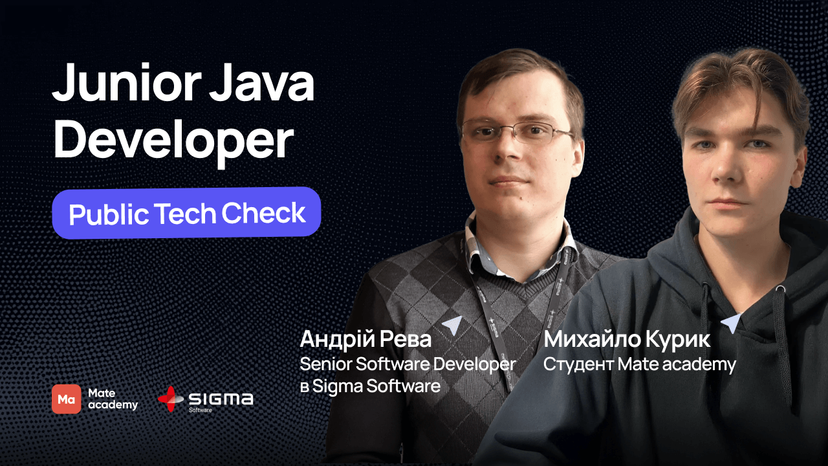
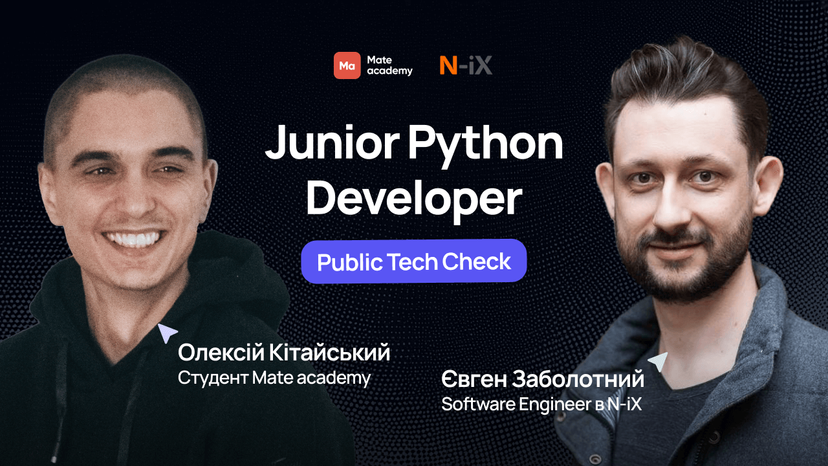
Mate graduates ace technical interviews

















Who will guide you?

Coaches

Mentors

English Teachers

Education coordinators

Employment coordinators

Get in touch
Let's get in touch
- We'll answer all your questions
- Help you choose the right course
- Get you in on our best deals
Faq
Got questions? We’ve got answers
Do the Python courses have a job guarantee?
Yes, Mate academy Python courses with job placement have a guarantee in both formats. In the Full-time format you study for free and pay only after you find a job in IT. In the Flex format we return the full course price if you get no offer after 24 weeks of joint job search.
How does payment after job placement work in the Full-time course?
In the Full-time course you pay nothing while you study and look for a job. When you get your first job as a Python developer, the payment is 12% of your net salary for 36 months. This is the ISA (Income Share Agreement) model. If you do not find a job, you pay nothing.
What happens if I do not find a job after the Flex Python course?
We return the full course price to you. To get it, finish the program and actively look for a job for 24 weeks with the Mate academy career team, and follow its advice: update your CV, apply for vacancies, and prepare for interviews. The contract has the full terms.
Can I pay for the Python course in installments?
Yes. In the Flex format you can pay at once or in installments from a partner bank. The Full-time format needs no installments: you start to pay only after job placement.
How much do Python courses at Mate academy cost?
What is the difference between Full-time and Flex study?
Full-time is a 4-month intensive program from Monday to Friday, 9:00 to 18:00, with an admission selection, English in the program, and payment only after job placement. Flex is about 7 months at your own pace, which you can combine with a job or university, with payment at once or in installments and a refund if you do not find a job. The job guarantee, mentors and career support are available in both formats.
Which is better to learn from scratch: Python or JavaScript?
To start in back-end development, data or AI, choose Python: its syntax is simpler, and according to the DOU 2026 programming language rating, Python is the leader among beginners. JavaScript is the language of the browser, so people choose it to build website and app interfaces (front end). If you are not sure, a manager at a free consultation will help you choose a direction that fits your goals.
Do I need a technical education or math knowledge to study on Python programming courses?
No. 9 out of 10 Mate academy students started with no technical education or IT experience. The Python course teaches everything from scratch: from syntax, variables and functions to SQL databases, Git, Django and FastAPI. School math is enough, and you will learn algorithms step by step during the course.
How long does it take to learn Python from scratch and become a developer?
At Mate academy it takes 4 months in the Full-time format or about 7 months in the Flex format. After the course you look for your first Junior Python developer job together with the career team.
How do I join the course, and is there an age limit?
Leave a request on the website. For the Full-time format you take a logic test and a short interview. You can apply from the age of 16 with parental consent. In the Flex format you start right after payment; you can apply from the age of 15. The job guarantee applies if you can legally work in your country by the end of the course.
What jobs can I get after the Python course?
Most graduates start as Junior Python developer, Backend developer, Python Software engineer or Software developer. Thanks to the Python Advanced module, you will also have basic skills in web scraping, data analysis and machine learning. To grow in infrastructure, you can continue with the DevOps course.
Will I get a certificate?
Yes, after the course you get a Mate academy certificate that confirms your Python development skills. You can add it to your CV and LinkedIn. But employers look most at your project portfolio and at how you pass a technical interview. That is why the course has 9 portfolio projects and mock tech checks.
Why are online Python courses better than self-study?
You can learn Python syntax on your own, but it is hard to get code review, a portfolio and your first job. On the course, developer mentors review your code, you work in a team on a Scrum project, and the career team helps you find a job.
Will I learn AI on the Python course?
Yes. The program has the GenAI Essentials module on effective and responsible use of AI, and a large Claude Code module with 59 topics. In it you learn to use an AI agent in daily development: from planning changes and code review to MCP, hooks and running several agents at once.
What computer do I need for the course?
A laptop or PC with an Intel Core i5 processor (or equivalent) or better, at least 8 GB of RAM, an SSD and a stable internet connection. Any operating system works.

Who are online Python courses for?
Mate academy Python courses are made for people who have never programmed. 9 out of 10 students come with no IT experience, so the course starts with the basics: Python syntax, variables, loops and functions.
Python courses are most often chosen by:
- IT beginners who want a clear language to start programming.
- Career changers: engineers, finance specialists, teachers, analysts, service workers.
- Students of technical majors who lack practice at university.
- People in related roles: QA, data analysts, DevOps, who want to write code in Python.
What will you learn on Python programming courses?
After the course you can work as a Junior Python developer: the program covers Python Core, databases and back-end development. The Python course program has 268 topics, 906 practical tasks and 9 portfolio projects, and 80% of the training is practice.
You will learn:
- Python Core: data types, functions, OOP, decorators, generators, exception handling, testing.
- Databases: SQL, Django ORM, SQLAlchemy, MongoDB.
- Back-end development: Django, Django REST Framework, FastAPI, JWT authentication, WebSockets.
- Asynchronous programming: asyncio, concurrency and parallelism.
- DevOps basics: Docker, deployment to AWS, CI/CD.
- Developer tools: Git, GitHub, the terminal, Jira.
- Algorithms and data structures for technical interviews.
- Working with AI: GenAI, Claude Code, MCP and AI agents in development.
At the end you work in a team with students from other tracks on a real product using Scrum. This project goes into your portfolio together with a Django website, a Django REST Framework API, an online cinema built with FastAPI, and a web scraping and data analysis project. If you want to grow in infrastructure, you can continue with the DevOps course.
How does online Python training work?
Python training at Mate academy is online and has 5 steps, from zero to your first offer. You can learn Python online from any city: all materials, code reviews and interviews take place on the platform.
- Training starts with theory and practical tasks. Students study materials on the platform, get code review from developer mentors and take part in Q&A sessions.
- Building a portfolio helps prepare for the first job search. During the course students build 9 portfolio projects and a team project using Scrum, which they can later show at interviews and on GitHub.
- Interview preparation covers the technical and career sides of job placement. Students take mock technical interviews (tech checks), write a CV and set up profiles on LinkedIn, DOU and Djinni.
- The career team helps find vacancies and pass the selection stages. Students get access to vacancies from partner companies and support at every stage of hiring.
- The final step is getting an offer and starting work as a Python developer. If a student gets no offer during 24 weeks of job search, the job guarantee applies under the program terms.
According to Mate academy, 6,500+ graduates already work in IT, and their employers include EPAM, SoftServe, GlobalLogic, N-iX, Intellias and others.
Python vs JavaScript: which to choose to start in IT?
Python and JavaScript are the two most popular languages for beginners, but they lead in different directions. People choose Python for back-end development, automation, data analysis, machine learning and AI. JavaScript is the language of the browser: front-end developers who build website and app interfaces start with it.
- Syntax: Python reads almost like plain English, so it is easier to learn from scratch.
- Fields: Python – back end, data, machine learning and AI; JavaScript – front end, and with Node.js also back end.
- Popularity among beginners: according to the DOU 2026 programming language rating, Python is the leader among beginners.
- Salaries: the median salary of Python seniors grew from $4,640 to $5,000 in six months, while Senior and Middle JavaScript salaries have been falling for three years in a row (DOU, summer 2026).
If you are more interested in building interfaces, Mate academy has a separate Front-end developer course.
How much does a Python developer earn after the courses?
A Junior Python developer in Ukraine earns $1,080 per month on average according to DOU (June 2026). After 1.5-2 years of experience a developer usually reaches the Middle level with a median salary of $2,600, and the median salary of a Senior Python developer is $5,000.
After starting in back-end development you can grow to Senior and Tech Lead or move into Data Engineering, Machine Learning, AI development or DevOps.
How much do Python courses cost, and can you study for free?
The price of Python courses at Mate academy depends on the format. You can study for free until job placement, or pay a fixed price with a money-back guarantee.
The Full-time format means free online Python programming courses until job placement. You pay nothing while you study or look for a job. Payment starts only with your first salary as a Python developer, and if you do not find a job, you pay nothing.
In the Flex Python course you can pay at once or in installments from a bank. If you get no offer after 24 weeks of job search with the career team, we return the full course price.
Training is online, so Mate academy offers Python courses in Kyiv, Lviv, Kharkiv and anywhere else. A manager will tell you the exact price, installment terms and current offers at a free consultation. The manager will also help you choose a format that fits your budget and schedule.
How are Mate academy Python courses different from others?
Mate academy Python courses with job placement are built around one goal: your first job in IT. Here is what makes them different:
- The Full-time format lets you pay for the course only after job placement. Students start paying only after they find a job. The job guarantee applies in both formats.
- AI is built into the program. Besides the GenAI Essentials module, the course has a Claude Code module with 59 topics: you learn to build software with AI agents the way modern teams do.
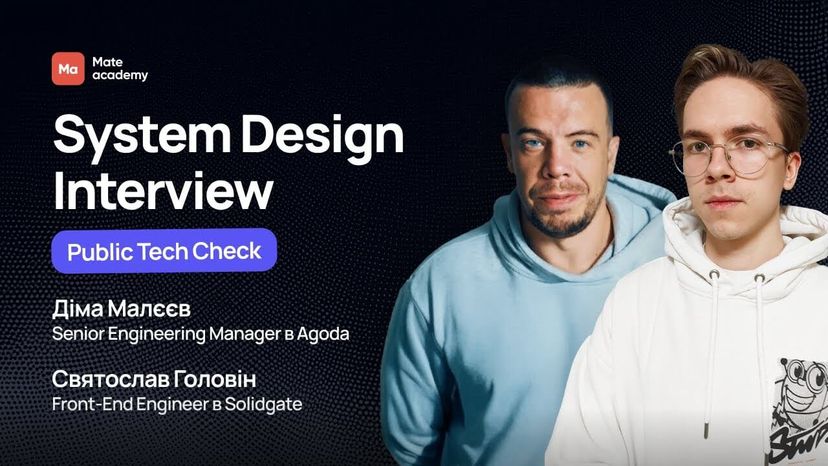
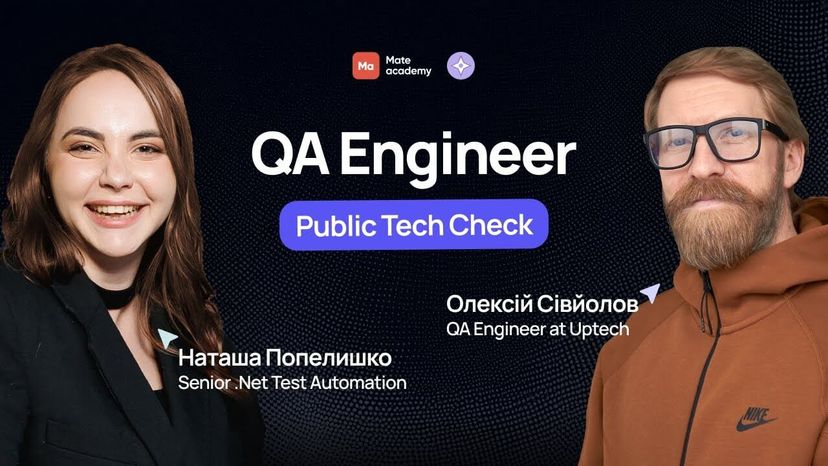
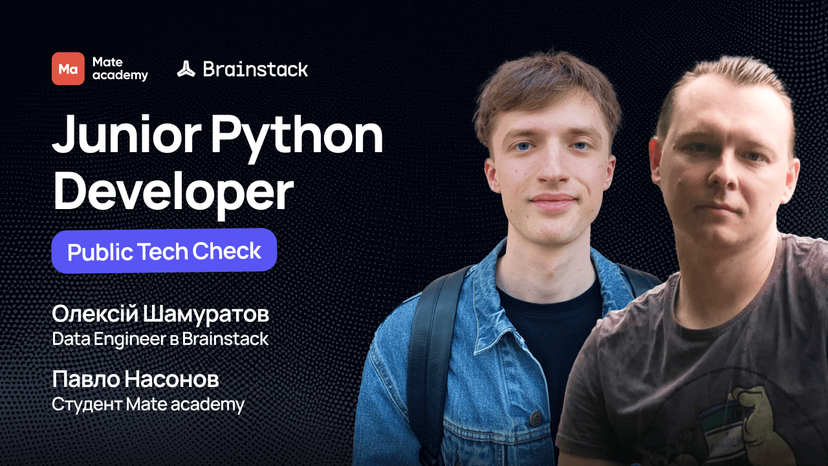
- Mock technical interviews help you prepare for real hiring. Students take tech checks with Python developers, including from N-iX and Brainstack_, and get feedback on their knowledge.
- Graduate results and reviews confirm the training works. More than 6,500 Mate academy graduates work in IT, the company has a 4.9 out of 5 rating on Google, and there are more than 2,000 reviews on DOU.