

























1
A quiz
We'll guide you to the right track, and you'll complete a quick logic test
Start date: August 10, 2026
Weekdays 9 AM – 6 PM
Master Data Analytics in 3 months and launch your IT career with our career support.

Free until employment
Pay a percentage of your first IT salary — we've been getting people hired since 2014.
3 years of career support
A Career Manager supports you at every step until you land the job
Interactive group learning
Dive into IT with a coach and mentors: 8 hours of practice and training a day
Become job-ready fast
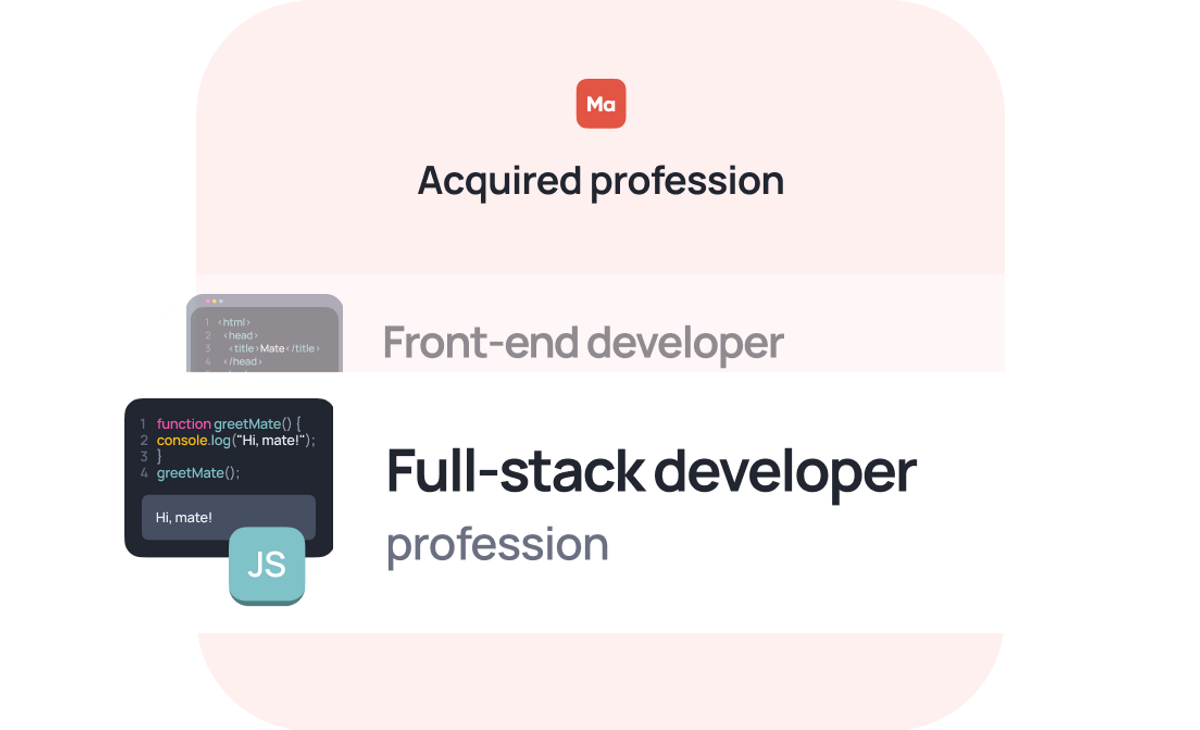
Put your energy into learning. You’ll pay once it pays off — after you’ve got the job.
Commit and achieve
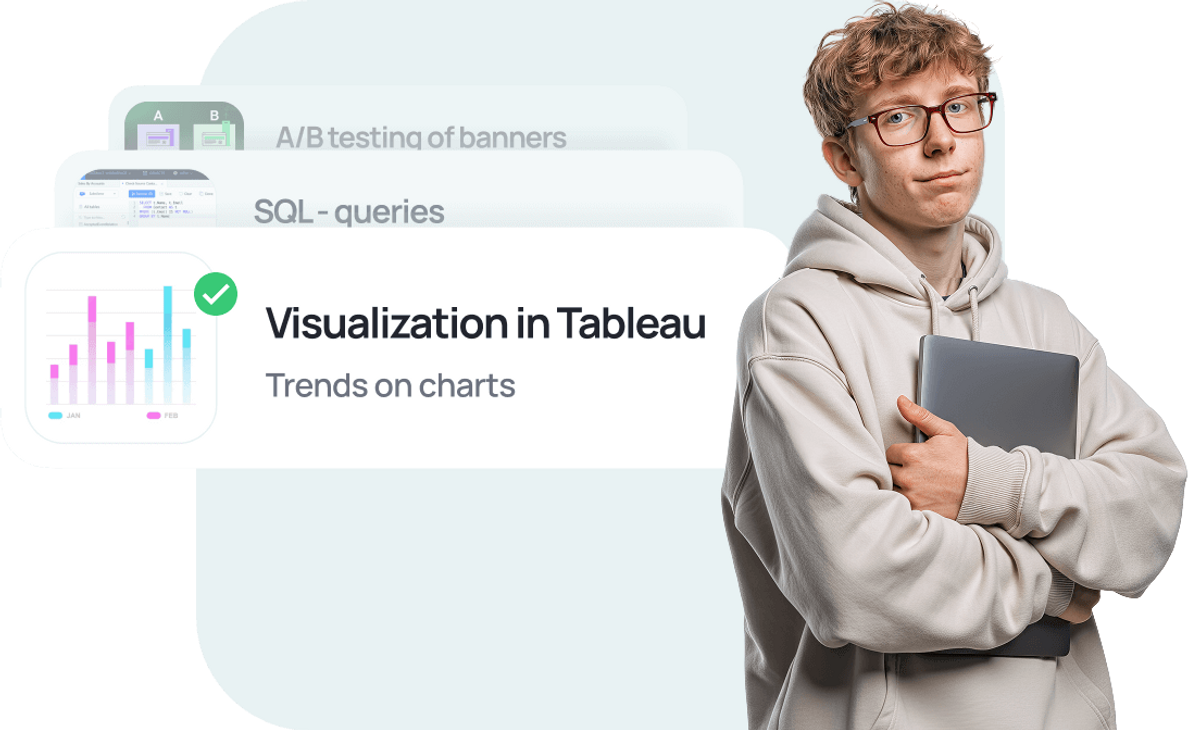
Go all in — learn from 9 to 6, Monday to Friday, and build the skills that get you hired.

Up to 8 hours a day: live interactive sessions with a coach, hands-on assignments, mentor Q&As, and English classes 2–4 times a week.


Free online lessons with top-notch teachers and native speakers.
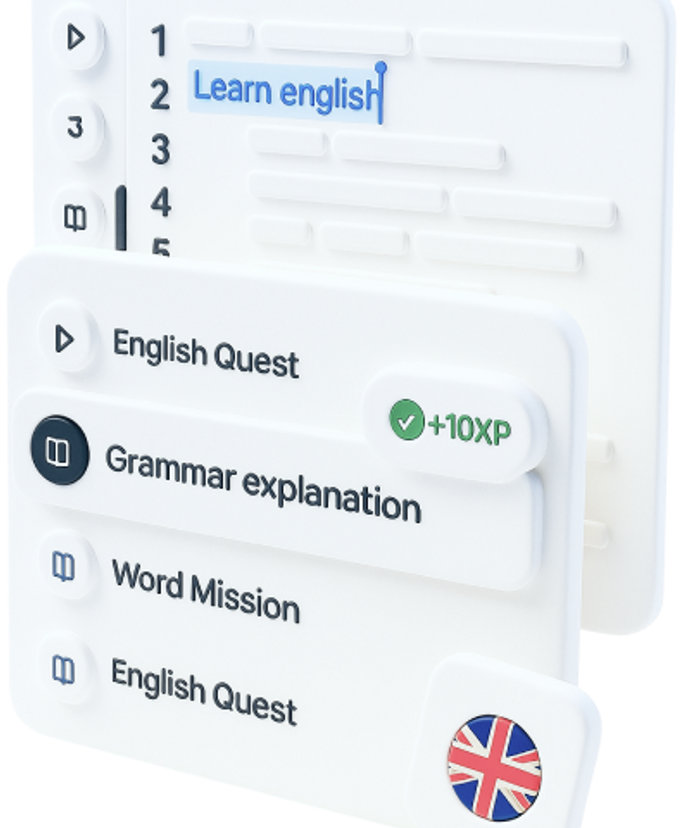

Mentors and coordinators help you stay on track and keep up the pace throughout the course.


Events, networking, and a community that keeps inspiring you long after graduation.







How the program works
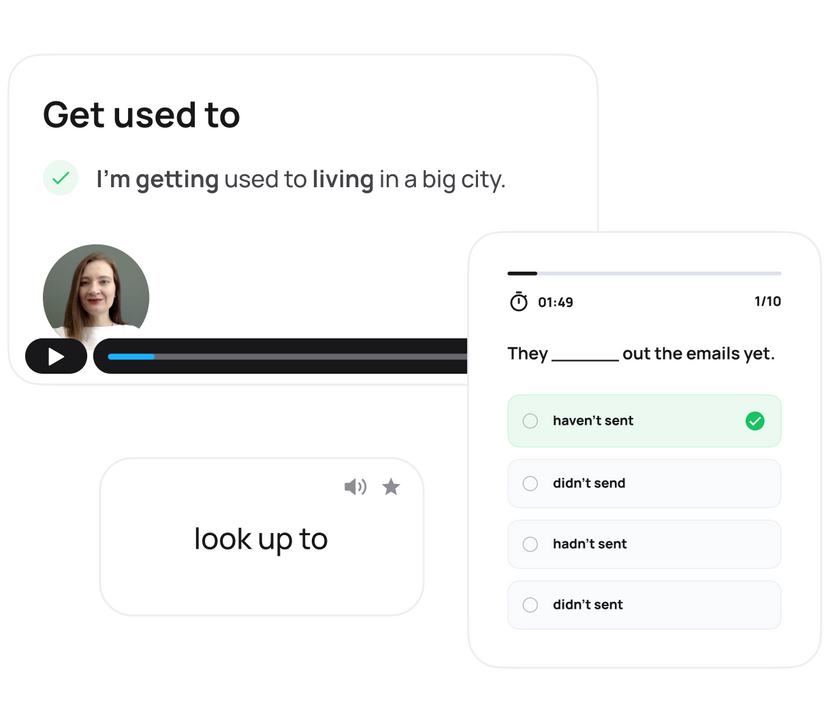
Watch video lessons, build new skills, and reinforce them with hands-on tasks.
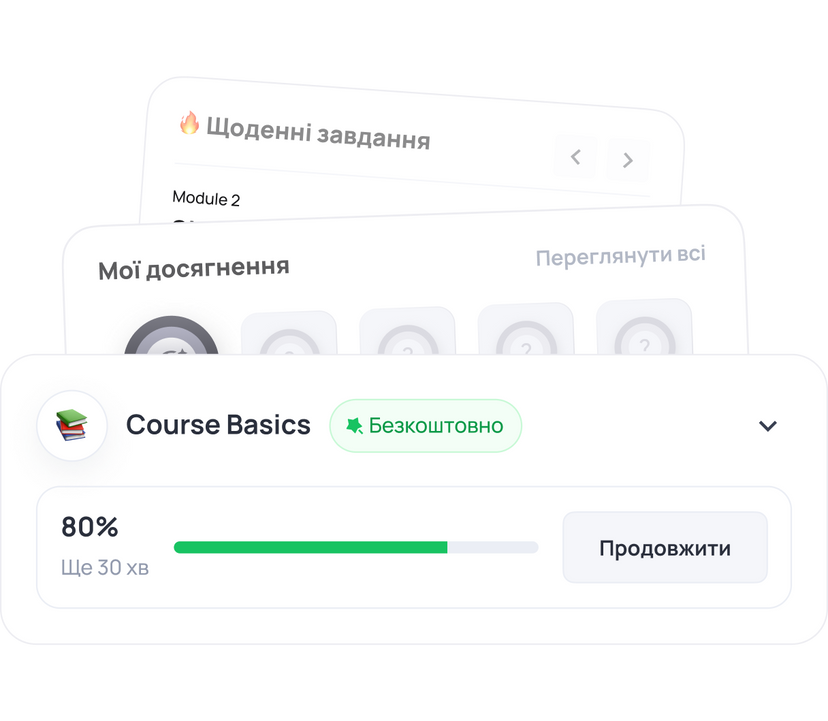
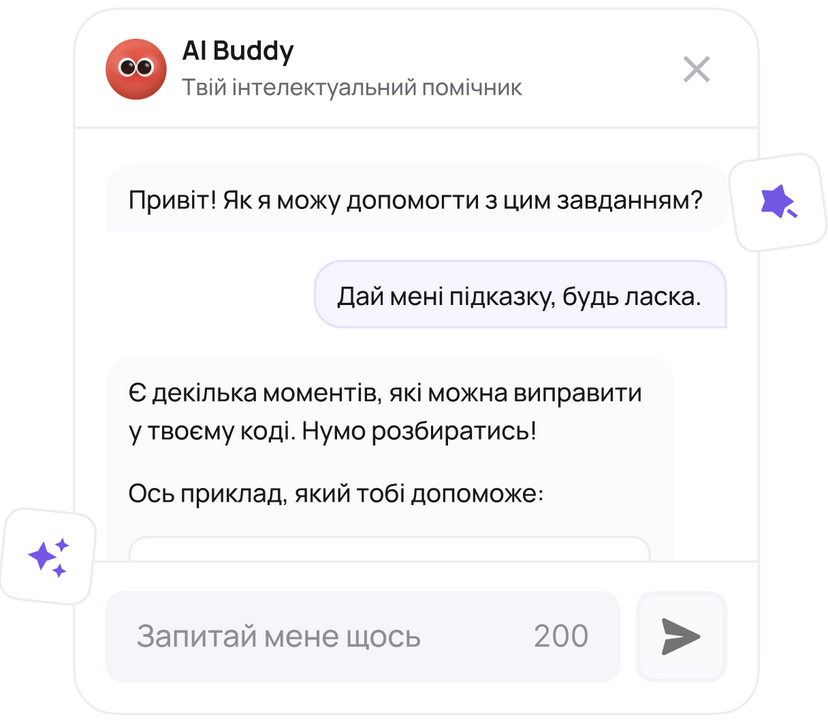
Mentors are there to answer questions and help you tackle the tough parts.
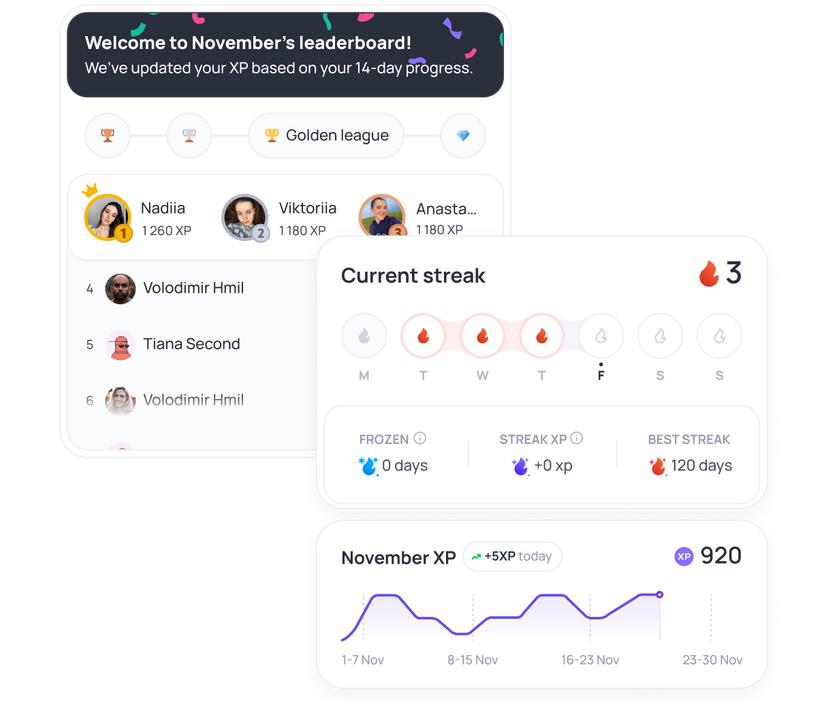
Join group calls, discuss ideas, and learn alongside like-minded peers.
Create real projects that showcase your skills and strengthen your portfolio.
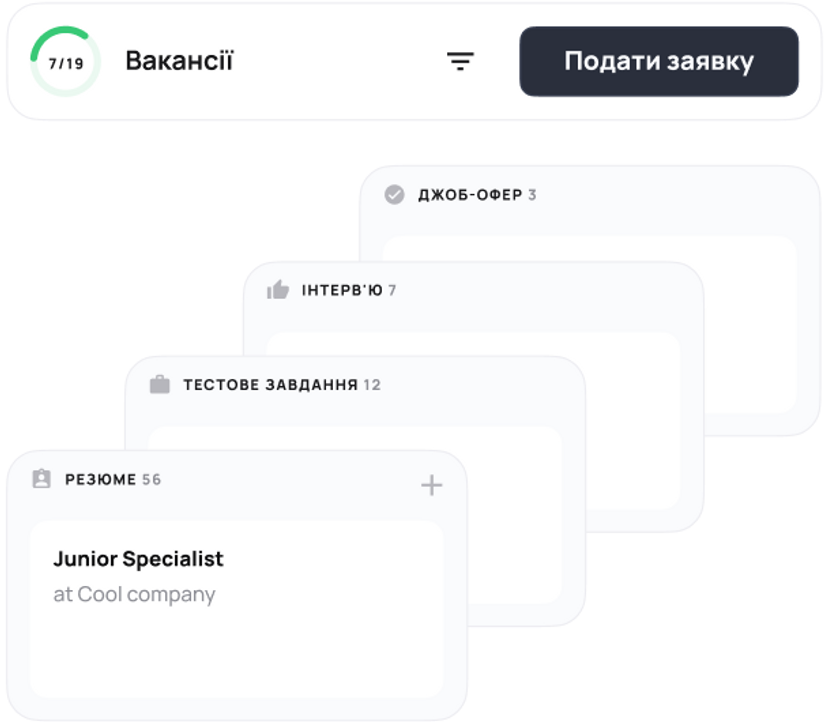
Land your first offer and launch with confidence — we'll be with you at every step.
What's covered
Get Started
3 topics
Data Analytics Basics
5 topics
In this module, you will learn the basics of data analytics, namely, how to build visualizations. Using the Tableau service, you will create your first analytical dashboard.
Topics
GenAI Essentials
6 topics
Learn how to use GenAI responsibly and effectively.
Topics
Course Fundamentals
2 topics
We are preparing for the next, more complex modules of the course.
Topics
SQL Basics
11 topics
Semantically speaking, SQL closely resembles English, so you are in for a swift acquisition. We'll learn to use it with databases, to group, filter, sort and source data at wish.
Topics
SQL Advanced
13 topics
To work as a data analyst, you need in-depth knowledge of SQL. In this module, you will analyze sales and marketing indicators using a real database that contains data from an online store.
Topics
Google Sheets for Data Analytics
13 topics
In this module, you'll work with spreadsheets that are used to calculate, organize, analyze, and store data. You will learn how to process datasets, perform calculations using functions, and build pivot tables. You will also be able to visualize results in the form of graphs and charts.
Topics
Tableau
10 topics
Tableau is an entire ecosystem of interactive analytics. In this module, you'll learn how to connect data and create combined data sources, make complex visualizations, publish and update dashboards. You will also learn how to use Tableau Prep to prepare data, and Tableau Public and Tableau Online to share your work.
Topics
Python Basics
10 topics
Contrary to its name, there's nothing to be scared of, so let's approach Python head on. We'll start with strings, booleans, function, conditionals, loops and lists.
Topics
Communication and Stress Management
7 topics
This module is designed to enhance your communication skills and overall soft skills. You’ll learn how to communicate effectively, feel confident during job interviews and public speaking, master techniques to manage stress, and much more. The best part? The module includes 28 practical tasks that will significantly boost your skills and help you see noticeable progress.
Topics
Python for Data Analytics
14 topics
Python is an extremely powerful tool for data analysis. You've already learned the basics, so we'll move on to introduce you to the NumPy and Pandas libraries for data processing and analysis. You'll also learn how to visualize your results with Matplotlib and Seaborn, and work with interactive environments like Jupyter Notebooks and Google Colab to perform and document your analytical tasks.
Topics
Statistics
6 topics
Statistics is a not an easy topic, but did our best to collect only the information that you will need to perform the real work tasks of a data analyst. In this module, you will learn the basics of statistics, including its role in business and everyday life. You will work on analyzing relationships between data, testing hypotheses, and you will learn to design of statistical experiments.
Topics
Product A/B Testing
6 topics
Let's start to develop product thinking. In this module, you'll learn approaches to hypothesis evaluation, such as A/B tests. You'll learn how to build product hypotheses, design A/B tests, choose metrics for conducting them, and analyze the results.
Topics
Building Portfolio
2 topics
We will create unique portfolio projects and place them on shared resources to demonstrate your skills to potential employers. We will also analyze the vacancies you can apply to upon course completion.
Topics
Team Project
7 topics
In 4 weeks, you will create a product from scratch in teams with colleagues from other areas, following Scrum methodology, and present the results to your mates. In the end, you will have another project to add to your resume and gain invaluable real-world experience.
Topics
Employment
9 topics
Ready to enter the tech market? Well... we'll get you ready — with a great resume, cover letter, a LinkedIn profile and mock interviews. Recruiters are in for a true discovery!
Topics
Product and Marketing Metrics
7 topics
Let's dive deeper into product thinking. In this module, you'll learn how to measure user engagement, activation, and retention. You will master typical product frameworks such as cohort analysis, RFM, NSM, and ARRR. You will also create a metrics map for a website as a project.
Topics
Excel for Data Analytics
7 topics
In this module, you will learn how to work with data using Excel: process datasets, perform calculations with formulas, build pivot tables, and visualize results with charts and diagrams.
Topics
Power BI: from Data to Dashboard
8 topics
You’ll learn how to work with Power BI and go through all the stages — from loading data to building a dashboard that helps answer business questions.
Topics
Advanced Analytics: Prediction and Clustering Models
6 topics
Let's dive into analytics. In this module, you'll learn how to forecast quantitative indicators using a linear multivariate model and a linear regression model with a single explanatory variable. You will master the concepts of training and test data, cross-validation, model quality measures, regularization, and forecasting qualitative indicators and risks using logistic regression. In addition, you will learn about cluster analysis, data clustering methods, similarity measures, and algorithms such as k-means, k-medians, and DBSCAN.
Topics
Career Development
9 topics
Module that will help you confidently pass your probation period, develop a professional development plan, prepare for performance reviews, and learn how to record your achievements. It provides practical tools for conscious career growth and preparation for new opportunities.
Topics
161
Topics
3
Projects

Data analyst






90%
of Mate grads entered the tech field for the first time
Mate educators

Oksana Nosenko
Head of Analytics at Jooble
Analytics expert with 5 years of experience. Author of the Data Analyst course.

Vladlena Heifman
Data Analyst at Novoplex
Five years identifying growth opportunities and automating data collection for businesses.

Kateryna Romanova
Game Data Analyst at Plarium
Five years in analytics; works with data at one of the world’s largest mobile gaming companies.

Yevhen Strakhov
Data Analyst at Concert.ua | Consultant
PhD, Associate Professor at I. Mechnikov National University of Odesa; heads the Applied Mathematics program.

Dmytro Rizun
Data Analyst at mono
Started in the Big Four; now at a leading fintech enterprise in Ukraine. Strong in Python and SQL.
Get in touch
Faq
For the full-time course, just send in your application and take the entrance test — a design quiz for UI/UX or a logic test for other tracks. After that, you can book a quick interview with our manager. We’ll chat about your experience, your interest in tech, and whether this format works for you. There’ll also be a few English questions, and, of course, we’ll answer anything you’re curious about.
For the flexible course, it’s even simpler: submit your application, and we’ll reach out to you. On the call, we’ll walk you through all the details and help you choose the right track. Once you make the payment, you’re good to go and can start learning right away!
No, you don’t need math or a technical background to enroll. In fact, 9 out of 10 Mate students come from non-technical backgrounds. Our job is to teach you the skills you need and help you land a job in tech.
You can apply for the full-time course starting at age 16 with your parents' permission. For the flexible course, you can begin if you’re at least 15 years old.
The employment guarantee applies if you reach the legal working age in your country by the time you finish the course.
Yes, of course! Over 5000 Mate graduates are already using their certificates to showcase their skills on LinkedIn and other social media.
For over 10 years, we’ve been helping people kickstart their tech careers — and we’ve gotten pretty good at it.
Our courses are built around what companies actually want, with tons of hands-on practice to get you job-ready. And you’re never on your own — we’ll guide you every step of the way, from polishing your resume to nailing your interviews.
The best part? 80% of our grads land a tech job just a few months after finishing the course.
For full-time graduates, you only start paying for your education after finding a tech job. The payment is 12% of your net salary for 36 months. If you don’t get a job, you pay nothing.
If you finish the flexible course, actively search for a job with our support for 16 weeks, and don't receive any offers, you can get a full refund.
The honest answer — better not. Classes run on weekdays from 10 AM to 6 PM, and daily focus and attendance are key to success. Balancing it with work usually leads to burnout and missed lessons.
Our advice:
– If you’re currently working, choose the next available group when you can fully commit.
– Or consider our flexible learning format instead